
Root Canal Treatment: Process, Recovery & Success Rates Explained
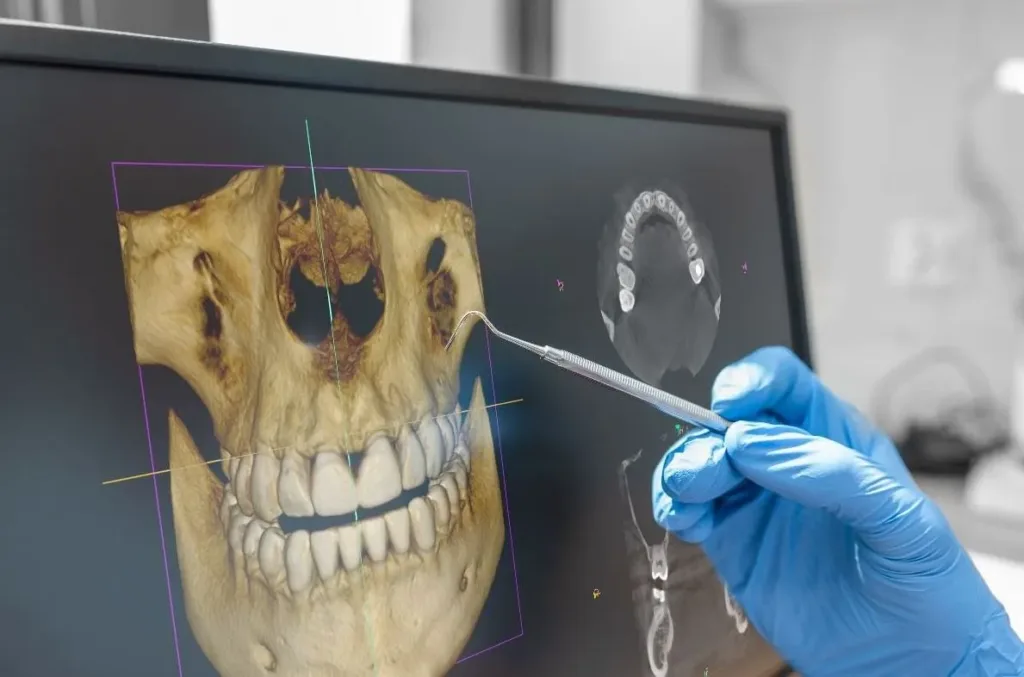
Root canal treatment remains one of the most misunderstood dental procedures, often surrounded by myths and unnecessary fear. In fact, this common procedure saves millions of teeth each year that would otherwise require extraction. Moreover, modern techniques and anesthesia make root canal treatment no more uncomfortable than getting a routine filling. If you’re experiencing severe tooth pain or have been told you need a root canal, contact Tangerbay in Tangier for expert endodontic care using the latest technology.
What Is Root Canal Treatment?
First and foremost, root canal treatment is a dental procedure designed to save a severely damaged or infected tooth. Specifically, it involves removing the infected or inflamed pulp tissue from inside the tooth. In fact, the pulp is the soft tissue containing nerves, blood vessels, and connective tissue located in the center of each tooth.
Furthermore, when the pulp becomes infected due to deep decay, repeated dental procedures, cracks, or trauma, it causes severe pain and can lead to abscesses. Therefore, removing this infected tissue prevents the infection from spreading and eliminates pain. Subsequently, the tooth is cleaned, disinfected, filled, and sealed to restore its function.
Additionally, contrary to popular belief, root canal treatment doesn’t remove the entire tooth. Instead, only the internal pulp is removed while the tooth structure, roots, and outer layers remain intact. As a result, the tooth continues to function normally for chewing and maintaining jaw structure. At Tangerbay, we use advanced rotary instruments and digital imaging to ensure precise and comfortable treatment.
When Do You Need Root Canal Treatment?
Several signs and symptoms indicate you might need root canal treatment. First, severe and persistent toothache that worsens when chewing or applying pressure suggests pulp damage. Second, prolonged sensitivity to hot or cold temperatures that lingers even after the stimulus is removed indicates nerve involvement.
Third, discoloration of the tooth (darkening or graying) often signals that the internal pulp has died or is dying. Fourth, swelling and tenderness in the nearby gums may indicate an abscess forming at the root tip. Fifth, a persistent or recurring pimple-like bump on the gums (called a fistula) that may ooze pus points to chronic infection.
Sixth, spontaneous pain that occurs without any trigger, especially at night, strongly suggests pulp inflammation. Seventh, pain radiating to the jaw, face, or other teeth makes it difficult to pinpoint the source. On the other hand, some infected teeth show no symptoms at all, being discovered only during routine X-rays.
Therefore, regular dental checkups detect problems early before they become painful emergencies. Don’t wait for unbearable pain: schedule a diagnostic appointment at Tangerbay if you experience any of these warning signs.
The Root Canal Procedure Step-by-Step
Understanding what happens during root canal treatment helps reduce anxiety. First, diagnosis and X-rays allow your dentist to assess the extent of infection and plan the treatment. In fact, digital radiographs show the number and shape of root canals, which varies between tooth types.
Second, local anesthesia numbs the tooth and surrounding area completely. Additionally, a rubber dam is placed to isolate the tooth and keep it dry during the procedure. Third, access opening involves creating a small opening through the tooth’s crown to reach the pulp chamber. Consequently, this provides access to the infected canals.
Fourth, pulp removal and cleaning is performed using specialized files. In fact, the dentist carefully removes all infected or dead pulp tissue and shapes the canals. Meanwhile, the canals are irrigated with antimicrobial solutions to eliminate bacteria. Fifth, filling the canals happens once they’re thoroughly cleaned and dried. Specifically, a biocompatible material called gutta-percha fills the space, sealing the canals completely.
Sixth, temporary filling closes the access opening until your next appointment. Finally, permanent restoration involves placing a crown or filling to protect and restore the tooth’s function. In fact, most back teeth require crowns after root canal treatment because they become more brittle. Generally, the entire process takes one to three appointments depending on complexity. At Tangerbay, most straightforward cases are completed in a single visit using modern techniques.
Does Root Canal Treatment Hurt?
Perhaps the biggest misconception surrounds pain during root canal treatment. In reality, the procedure itself is virtually painless thanks to effective local anesthesia. In fact, most patients report feeling no more discomfort than having a cavity filled. Moreover, root canal treatment actually relieves the severe pain caused by the infected pulp.
However, some mild discomfort or tenderness is normal for a few days after the procedure. Specifically, this occurs because inflammation takes time to subside. Nevertheless, over-the-counter pain relievers like ibuprofen typically manage this discomfort effectively. Additionally, your dentist may prescribe antibiotics if infection was severe.
Furthermore, complications like increased pain are rare but possible. For instance, if pain intensifies or persists beyond a few days, contact your dentist immediately. On the other hand, following post-treatment instructions carefully minimizes complications. At Tangerbay, we prioritize your comfort using gentle techniques and effective anesthesia throughout your treatment.
Recovery and Aftercare
After root canal treatment, proper care ensures optimal healing. First, avoid chewing on the treated tooth until the permanent restoration is placed. In fact, the tooth is more fragile and could fracture. Instead, chew on the opposite side when possible.
Second, take medications as prescribed: pain relievers for discomfort and antibiotics if prescribed to fight infection. Third, maintain excellent oral hygiene by brushing gently and flossing, but be careful around the treated area initially. Fourth, avoid hard, sticky, or crunchy foods for several days to prevent damaging the temporary filling.
Fifth, expect some sensitivity for 3-5 days, which gradually decreases. However, severe or increasing pain, visible swelling, or fever requires immediate attention. Sixth, attend your follow-up appointment to complete the permanent restoration. In fact, delaying this risks tooth fracture or reinfection.
Moreover, once fully restored, a root canal-treated tooth can last a lifetime with proper care. Therefore, continue regular dental checkups every six months. Tangerbay provides detailed aftercare instructions and remains available for any concerns during your recovery.
Success Rates and Longevity
Fortunately, root canal treatment boasts impressive success rates. First, studies show success rates of 85-97% for initial root canal procedures. Second, with proper restoration and care, treated teeth can last 10-15 years or more, often a lifetime. Third, factors affecting longevity include tooth location, extent of original damage, and quality of restoration.
However, occasionally root canal-treated teeth develop problems requiring retreatment. Specifically, new decay, crown damage, or persistent infection may occur. Nevertheless, retreatment success rates remain high at 75-85%. Alternatively, if retreatment isn’t feasible, endodontic surgery (apicoectomy) can save the tooth.
On the other hand, the alternative to root canal treatment is extraction. Yet, losing a tooth leads to bone loss, shifting of adjacent teeth, and requires expensive replacements like implants or bridges. Therefore, saving your natural tooth through root canal therapy is almost always the better option. At Tangerbay, we use high-quality materials and advanced techniques to maximize the success and longevity of your treatment.
Root Canal vs Extraction
When faced with a severely damaged tooth, patients often wonder about root canal treatment versus extraction. First, consider that saving your natural tooth preserves jaw bone, prevents adjacent teeth from shifting, and maintains natural chewing function. Moreover, natural teeth provide better feedback for bite force and feel more natural.
Second, extraction seems simpler initially but creates long-term consequences. In fact, the gap left requires replacement with an implant, bridge, or denture. Consequently, these options cost significantly more than root canal treatment. Additionally, implant placement requires surgery and months of healing.
Third, root canal treatment preserves your smile and facial structure. In fact, tooth loss can lead to bone resorption, changing facial appearance over time. Fourth, success rates favor root canal treatment, with most treated teeth lasting many years. On the other hand, implants, while effective, carry their own risks and potential complications.
Finally, modern root canal treatment is comfortable, efficient, and highly successful. Therefore, extraction should be considered only when the tooth is truly unsalvageable. Tangerbay’s experienced team evaluates your specific situation and recommends the best option for long-term oral health.
Common Myths Debunked
Several myths surrounding root canal treatment persist despite modern advances. First, « Root canals are extremely painful » is false. In reality, the procedure relieves pain and is no more uncomfortable than a filling. Second, « Root canals cause illness » has been thoroughly debunked. In fact, this 1920s-era myth has no scientific support whatsoever.
Third, « It’s better to just pull the tooth » ignores the benefits of keeping natural teeth. Indeed, extraction creates more problems long-term. Fourth, « Root canals require many appointments » was true decades ago but not today. In fact, most cases complete in one or two visits with modern technology.
Fifth, « Root canals aren’t successful » contradicts the 85-97% success rate backed by research. Sixth, « You only need a root canal if you have pain » is incorrect. Indeed, some infected teeth show no symptoms until discovered on X-rays. Therefore, trust your dentist’s diagnosis even without pain. At Tangerbay, we educate patients with facts to eliminate fear and misconceptions.
FAQ
How long does root canal treatment take?
Most cases complete in 60-90 minutes per appointment, typically 1-2 visits total.
Can I drive after the procedure?
Yes, local anesthesia doesn’t impair your ability to drive. However, plan for numbness lasting 2-4 hours.
Will I need time off work?
Generally no. Most patients return to normal activities the same day or next day.
Why do I need a crown after root canal treatment?
Back teeth become brittle after treatment and need crown protection to prevent fracture.
How much does root canal treatment cost?
Costs vary by tooth location and complexity. Contact Tangerbay for a detailed estimate based on your case.
Can root canal treatment fail?
Rarely (3-15% of cases), usually due to reinfection or complex anatomy. Retreatment is often successful.
Is root canal treatment safe during pregnancy?
Yes, especially in the second trimester. Your dentist uses safe anesthesia and minimizes X-rays.
What if I delay getting a root canal?
Infection can spread, causing abscess, bone loss, and potentially requiring extraction.
