
Orthodontics in Tangier
Straighten your teeth, correct your bite and get a harmonious smile, at any age. Braces or aligners, depending on your case.
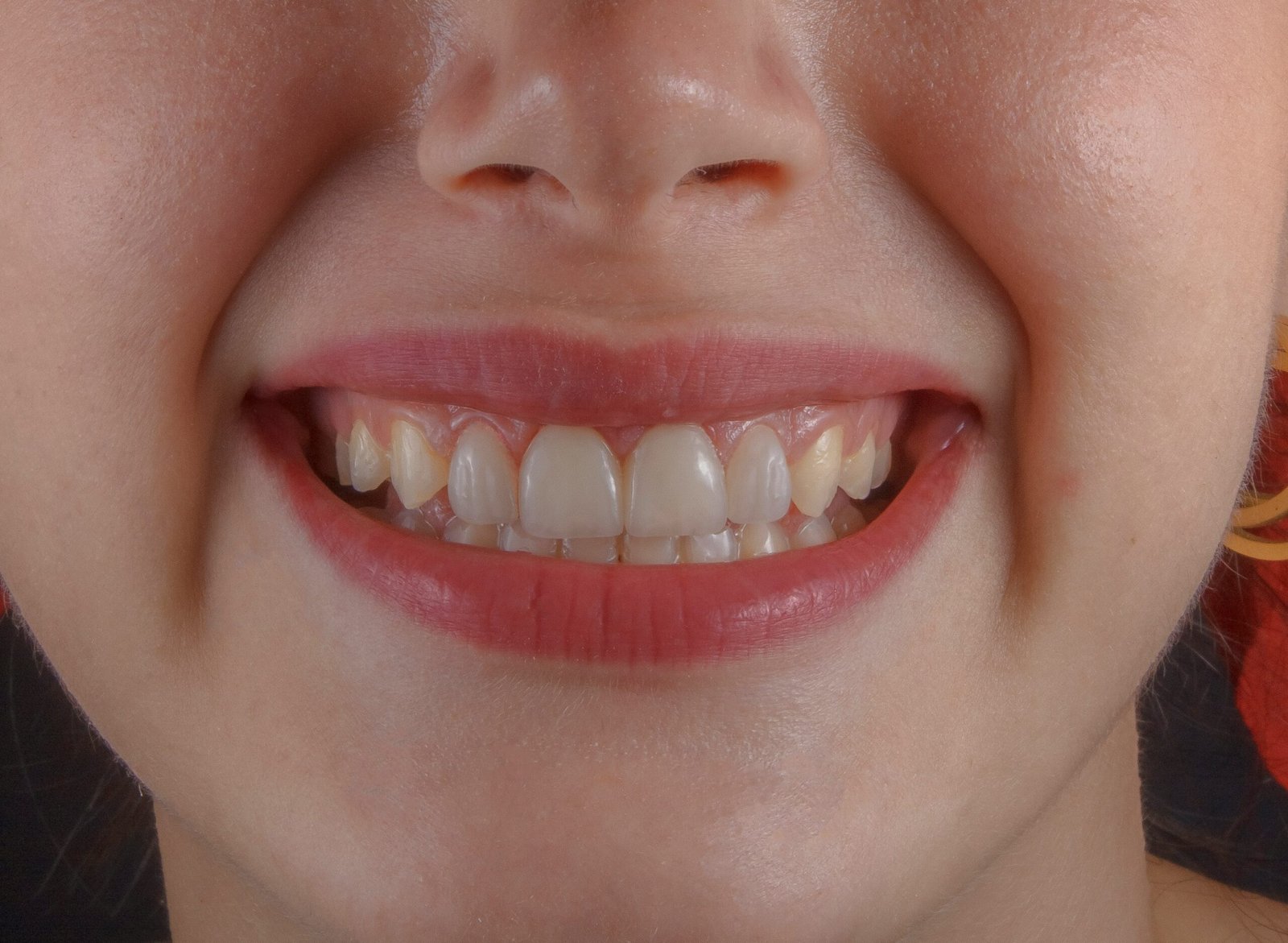
Orthodontics is not just about looks.
Crooked teeth are hard to clean. Overlapping areas trap plaque, which fuels decay and gum inflammation.
An unbalanced bite also makes some teeth work much harder than others. Straightening the teeth spreads the forces properly.
Fewer hiding places for plaque
Straight teeth are easier to brush: fewer areas where decay and inflammation can set in.
Forces better spread
No tooth does the work of the others, which limits wear and cracks.
Every situation can be corrected
Overlapping teeth, gaps, deep bite or crossbite: the appliance and the timeframe depend on the case.
At a glance: what is the difference?
We choose the appliance for your case, not for fashion.
Metal braces
Visible
No
All
A little
Avoid hard and sticky foods
Ceramic braces
Barely visible
No
Most
A little
Avoid hard and sticky foods
Clear aligners
Almost invisible
Yes
Mild to moderate cases
A lot: 22 hours a day
No restrictions
The 3 options, explained in detail
All three apply a light, continuous force to the tooth. The bone breaks down on one side and rebuilds on the other, which is why the pace is slow.
Metal braces
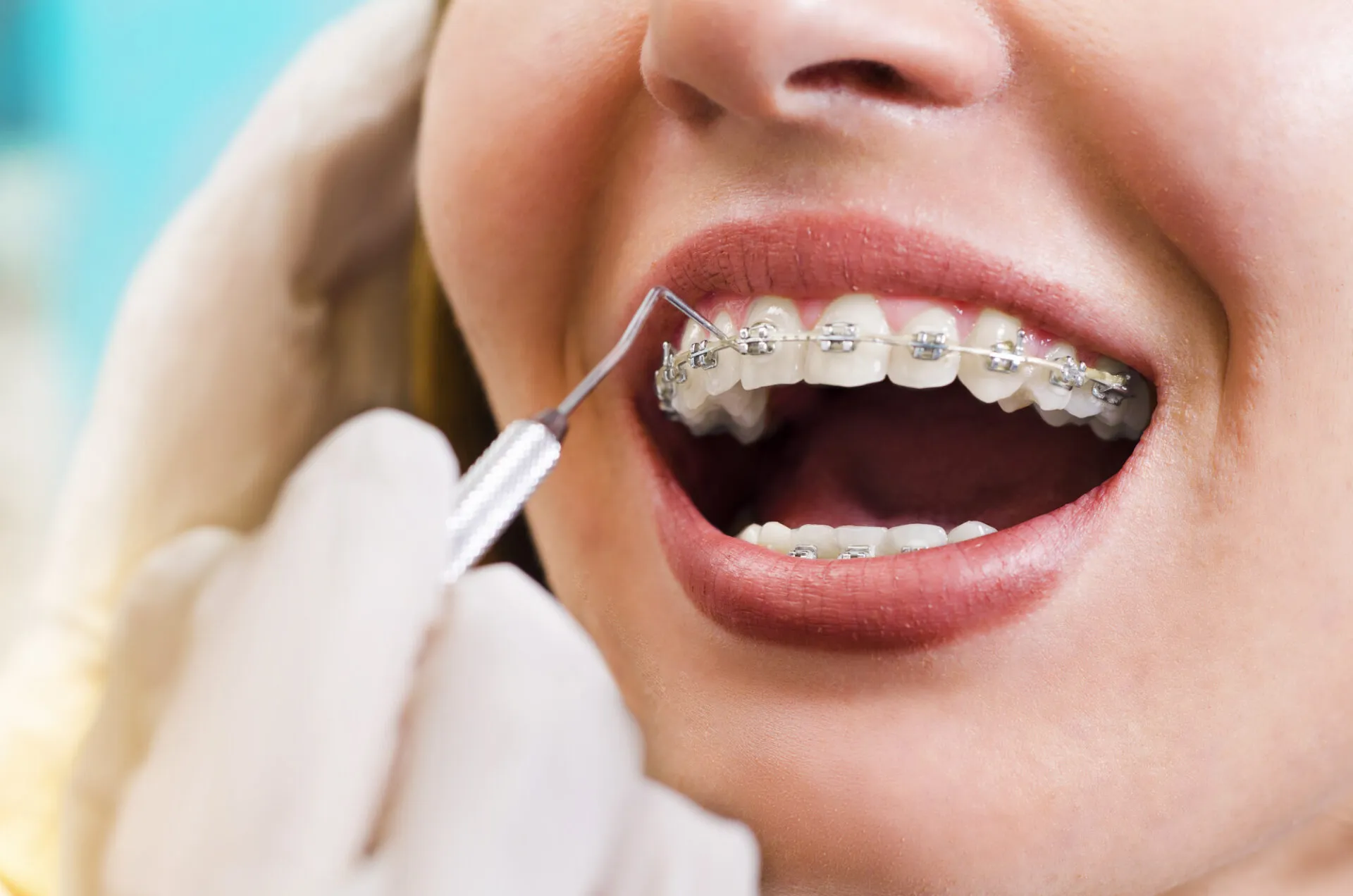
- Small brackets are bonded to the front of each tooth, with no pain or anaesthesia.
- A shape-memory wire connects them: as it returns to its shape, it pulls the teeth into place.
- At each appointment, the wire is changed or activated to keep the movement going.
- At the end of treatment, the brackets are removed and the enamel polished.
- Maximum control
- Nothing to remember day to day
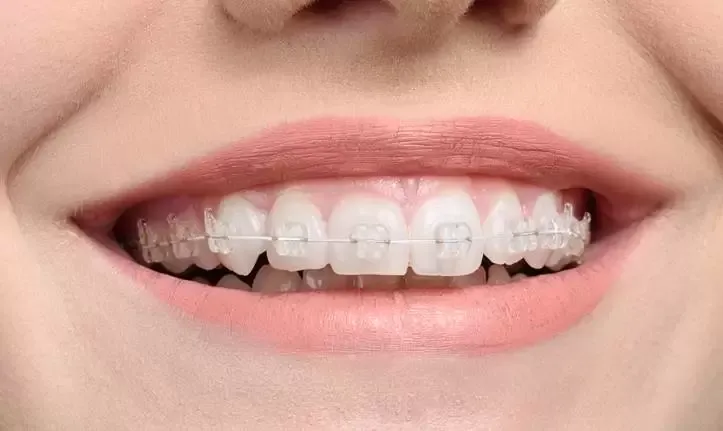
Ceramic braces
- They work the same way as metal braces: bonded brackets, shape-memory wire, regular activations.
- The brackets are made of translucent, enamel-coloured ceramic: from a metre away, they are barely noticeable.
- The wire can be covered with a clear sleeve for even more discretion.
- Ceramic is more fragile than steel, so very hard foods are best avoided.
- Discreet
- As effective as fixed braces
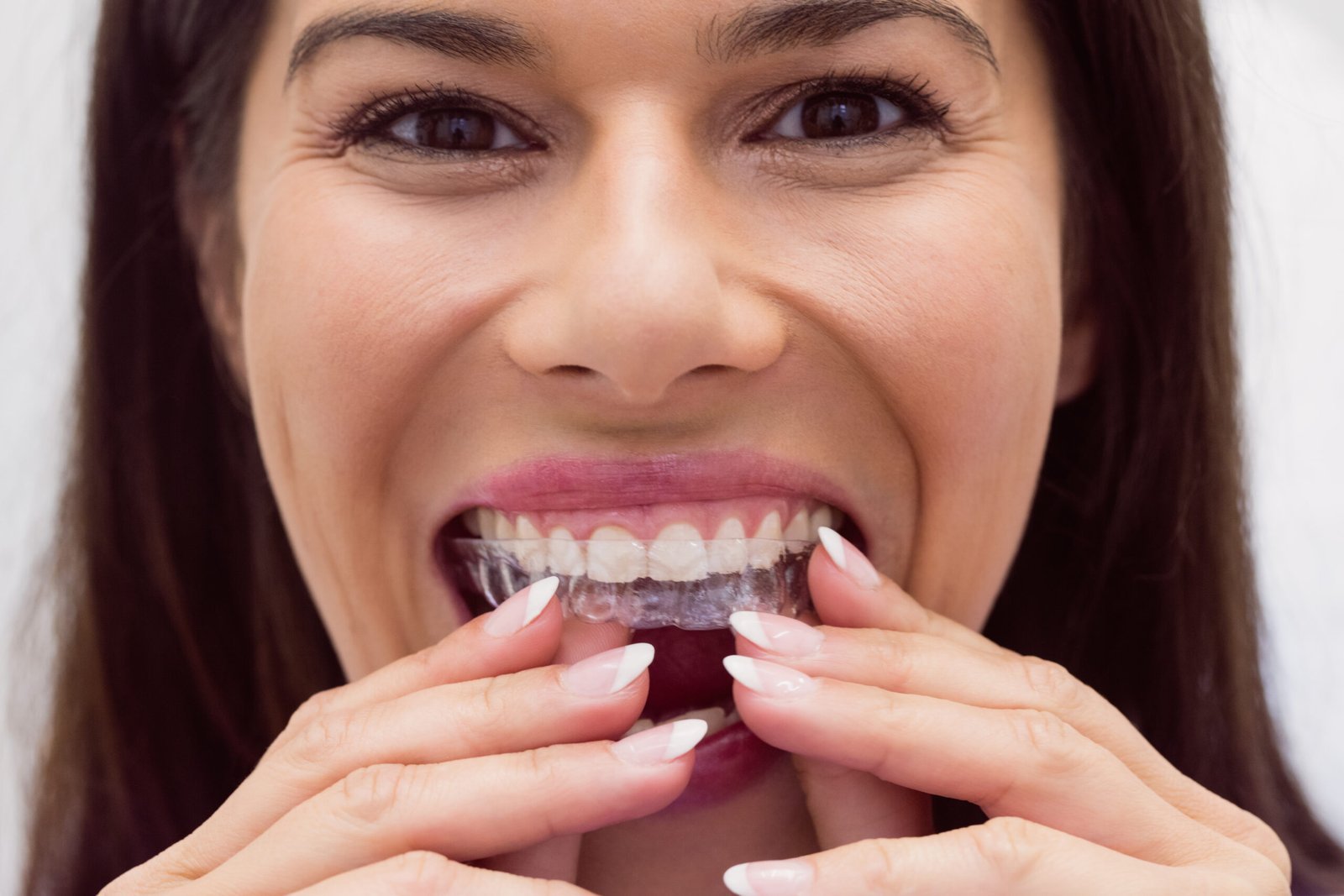
Clear aligners
- A 3D scan of your arches simulates the whole path of the teeth on screen.
- That path is split into dozens of steps, one tray per step.
- You switch trays at regular intervals and wear them about 22 hours a day.
- Small tooth-coloured attachments are sometimes bonded for harder movements.
- Almost invisible
- Comes out for meals
Aligners or braces: which is right for you?
It depends on the movements needed, not just on your preferences. The assessment with a 3D scan decides, and shows you the simulated result before you start.
From first assessment to retainer
Full assessment
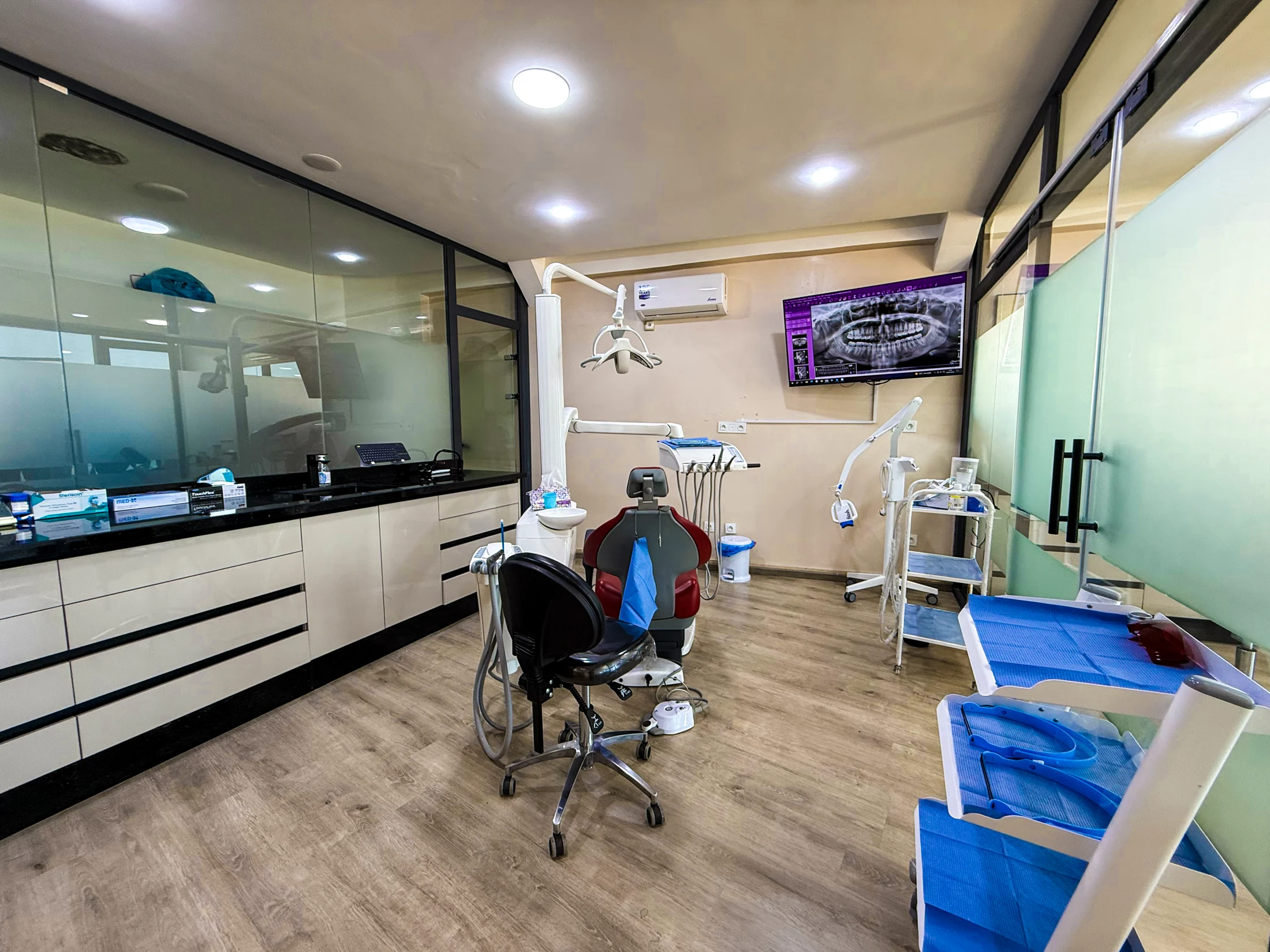
Clinical examination, panoramic X-ray, photos and 3D scan of both arches.
Treatment plan
Bite analysis, choice of appliance and simulation of the result.
Fitting
Brackets bonded or first aligners handed over, with instructions.
Follow-up
Wire activation or tray changes, with a check of the movement.
Retainer
A wire bonded behind the teeth or a night-time tray, to hold the result.
Why a retainer?
It is not optional. Without it, teeth gradually move back towards their original position.
Bonded wire or tray?
A bonded wire is fixed and invisible, behind the teeth. A tray is worn at night only.
Child, teenager or adult?
For children and teenagers
- A first assessment around age 7 to 8 spots jaw growth problems early
- At that age, growth can be guided rather than corrected later
- Full treatment is usually done once the permanent teeth are in
- Teeth move faster: the bone is very active
For adults
- There is no age limit: bone remodels throughout life
- Movement is simply slower than at age 12
- Gum health is checked first, before starting
- Orthodontics often prepares for other treatment: implants, veneers, prostheses
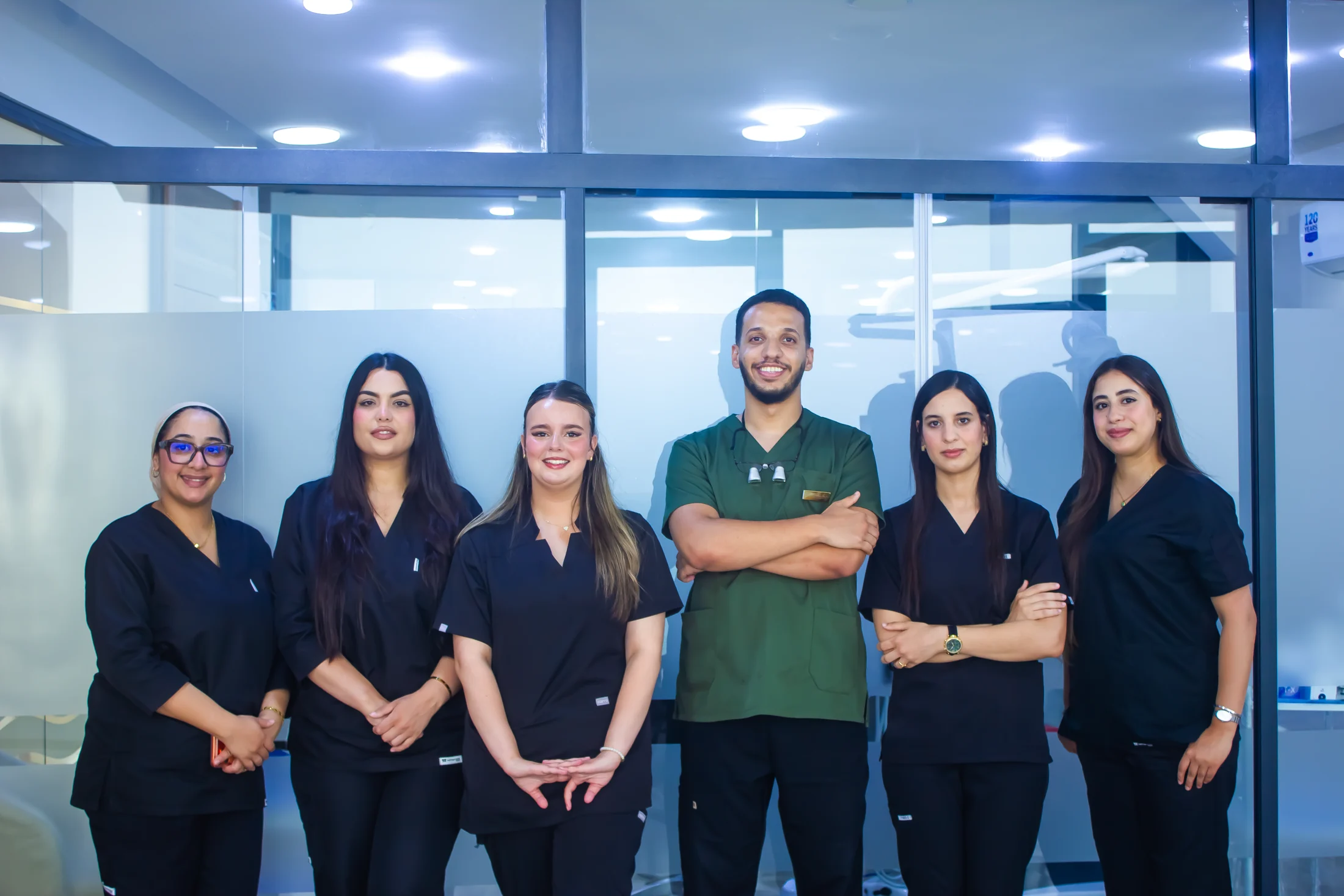
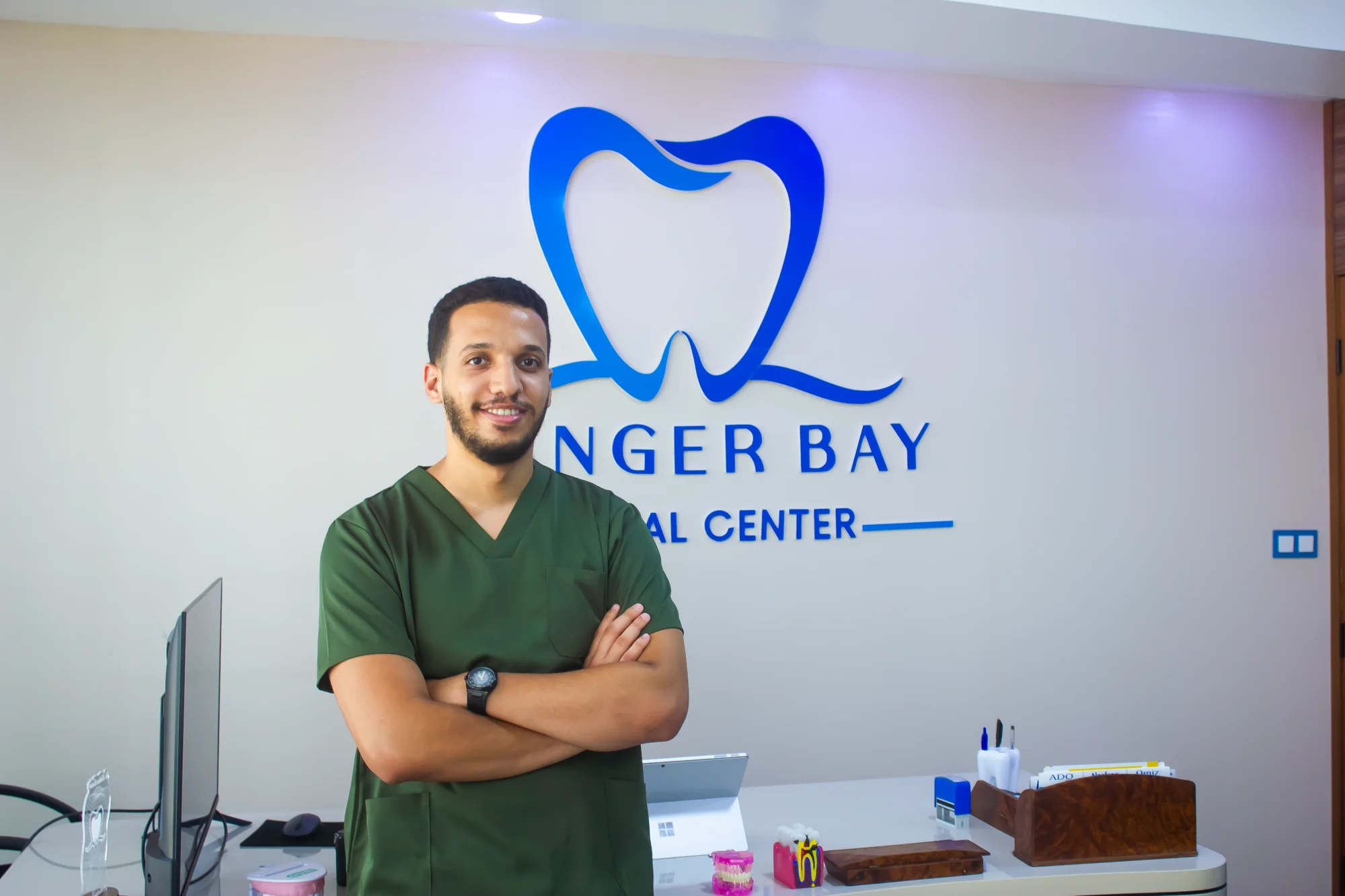
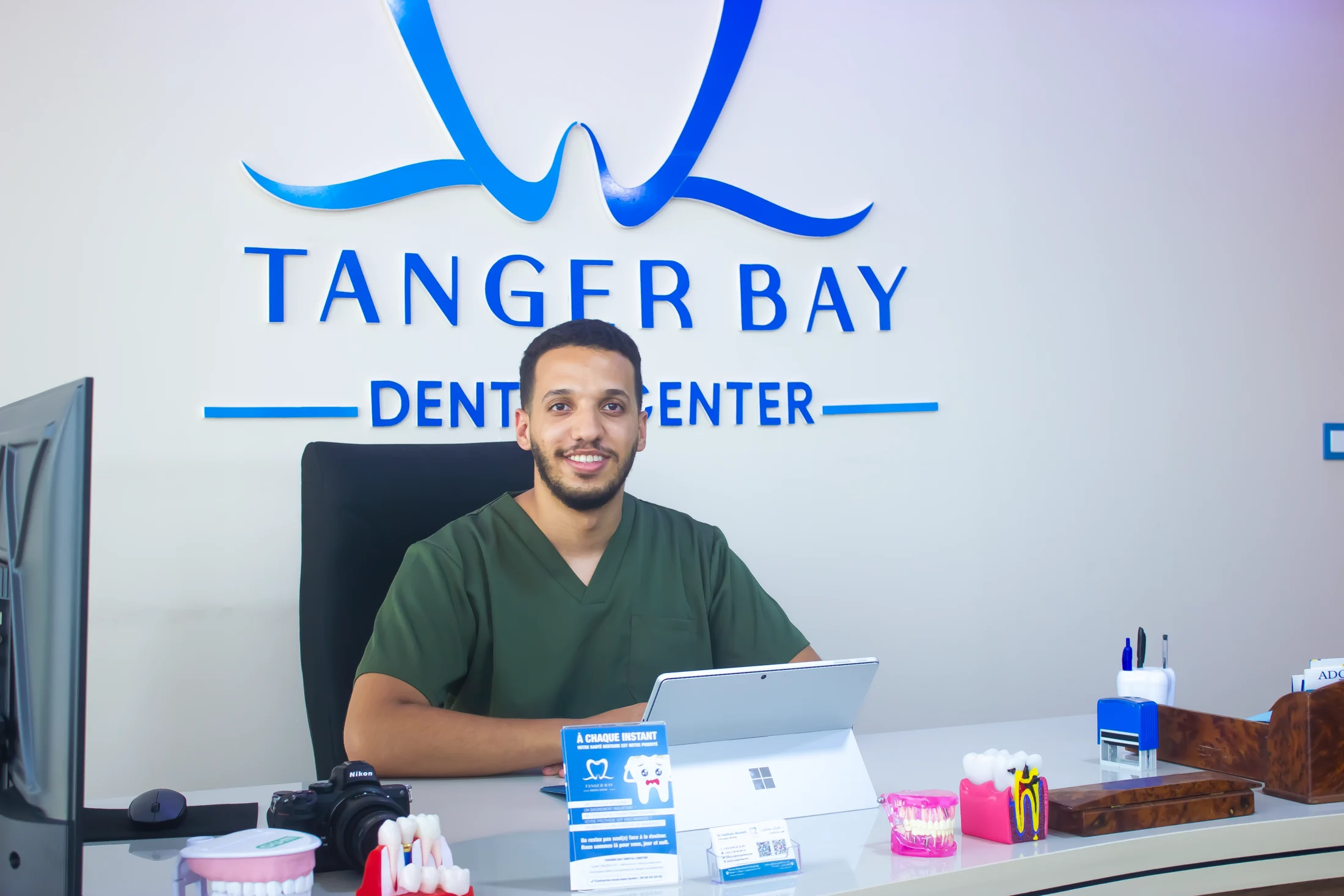
Tanger Bay Dental Center
Our team carries out your assessment with a 3D scan, chooses the appliance with you and follows your treatment through to the retainer, at our clinic on Avenue Mohammed VI, facing the Bay of Tangier.
They trusted us with their smile
An excellent dentist with very professional receptionists. I saw him for a cavity and for clear aligner treatment, and I have never had such a skilled dentist. I come from France and I recommend him 1000% without hesitation. The very best! (translated from French)
A very good dentist, extremely professional. I had Invisalign treatment, fillings and a root canal. He was patient and attentive throughout. I felt no discomfort during the sessions. I highly recommend him! (translated from French)
I highly recommend Dr Haitham. He is an exceptional doctor: very skilled, professional and attentive to his patients. The reception is excellent too: Nada and Chaimaa are very welcoming, always smiling and ready to help. The whole team provides a high-quality service. Thank you for your professionalism! (translated from French)
Living with your appliance
Once the first few days of discomfort are over, it is all about habits.
Temporary discomfort
After fitting or a wire change, some discomfort when chewing is normal. It passes in two to three days, and a little wax helps if a bracket rubs.
Good habits
An interdental brush cleans around the brackets. Aligners are worn 22 hours a day and go back in their case when you take them out.
At meals and sport
With braces, avoid hard and sticky foods. No contact sports without a mouthguard.
Before and after your treatment
Your questions about orthodontics
Another question? Write to us, the clinic replies on WhatsApp.
Fitting itself is not painful. For two to three days after each activation, the teeth become tender when chewing: discomfort rather than pain. Soft food and a simple painkiller are enough.
It depends entirely on what needs correcting: a few months for a simple realignment, much longer for a bite problem. The treatment plan gives you an estimate from the start, adjusted at each check-up.
For mild to moderate cases, yes. For complex movements (major rotations, root movements, major bite corrections), braces still give better control. And an aligner only works if it is worn: 22 hours a day, every day.
Some form of retainer, yes, at least at night. Teeth tend to drift back towards their original position, even years later. A wire bonded behind the teeth is discreet and cannot be felt.
Not always. When crowding is severe, an extraction may be the only way to make room. Other techniques can sometimes avoid it: the assessment will tell.
With braces, you need to wait until they come off: the areas under the brackets would not be treated and would leave marks. With aligners it is possible, and the trays are used to apply the gel. We discuss it when planning your treatment.
Book your orthodontic assessment
Pick a time slot online, leave us your details or message us on WhatsApp. We reply the same day.
Avenue Mohammed VI, Résidence Borj Khalij Tanger 3, 5th floor, apt. 197
Monday to Friday, 9 am to 7 pm. Saturday, 9 am to 2 pm.